

Are you thinking about investing in the real estate market here in Kenya? Many people start their journey by buying a small apartment or a house for a family. However, others prefer to buy shops or office spaces in busy towns. Understanding the difference between residential and commercial property is very important for your long-term success.
In this guide, I will explain the big differences so you can choose the best path for your money.
Understanding Different Types of Property
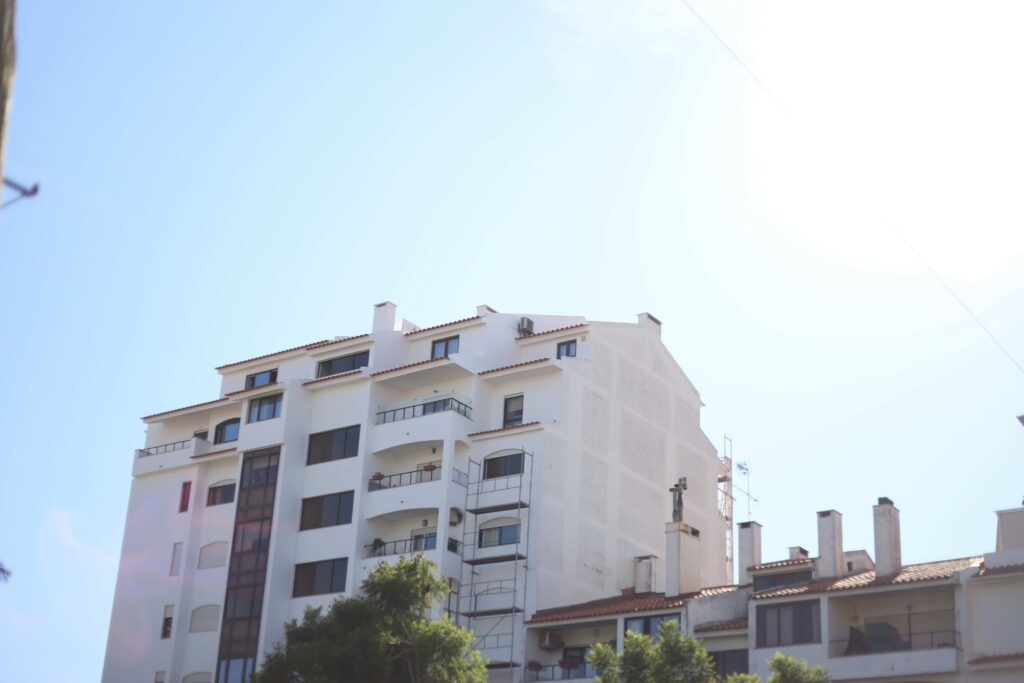
The two main types of property in Kenya are residential and commercial properties.
What Is a Residential Property?
A residential property is a building where people go to live and sleep at night. This includes things like single houses, apartments, townhouses, and even small bedsitters. Because people need a home, these buildings are always in high demand across our country. In addition, the rules for these houses are usually designed to protect the people living inside them.
What Is a Commercial Property?
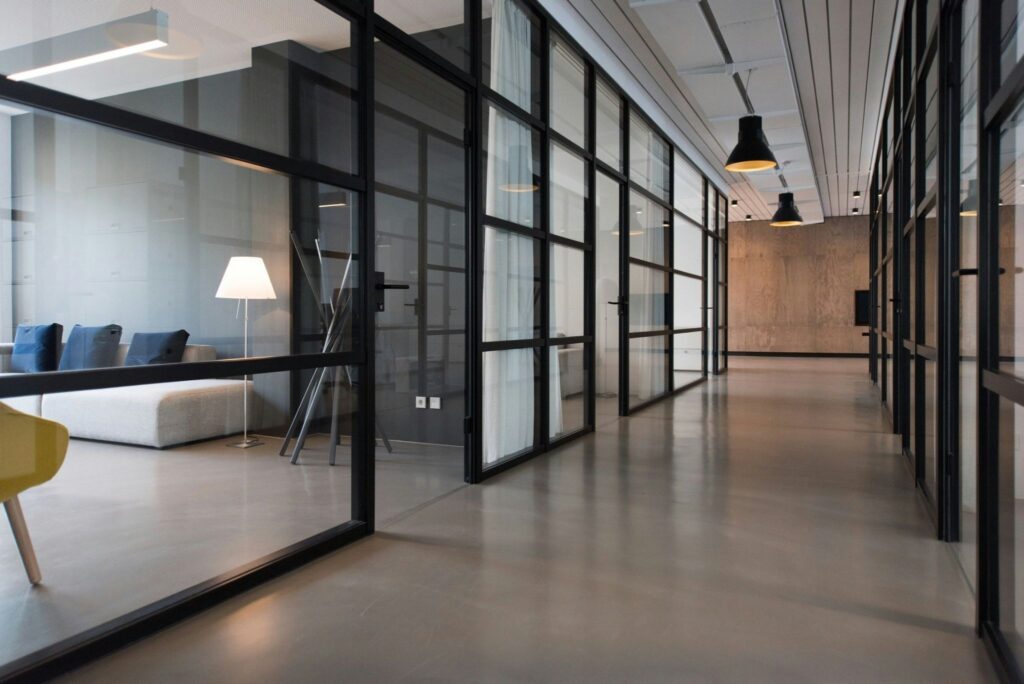
On the other hand, a commercial property is a building used specifically for business activities. For example, this could be a small shop, a supermarket, or a tall office building for professionals and consultants. Sometimes, even warehouses used to store farm produce or hardware tools are considered commercial. The way you manage these buildings is quite different from how you manage a family home.
Differences Between Residential and Commercial Property Management

When you own a rental house, your main goal is to keep the tenants happy and safe. However, managing a business space requires a much more professional approach to daily tasks. There are several key differences between residential and commercial property management that every landlord must understand.
- The Tenant
First, the type of tenant you will deal with varies greatly across sectors. Residential tenants are usually individuals or families who want a quiet and comfortable place to stay. Moreover, they care deeply about things like nearby schools, security, and working water taps. If you are kind and fix things quickly, they will likely stay for a long time.
Commercial tenants, on the other hand, are business owners who care about making a profit every day. For instance, a shop owner wants a location where many people walk past their door. Because of this, they are often more focused on the building’s visibility and accessibility. Furthermore, business tenants usually have their own staff to manage, so they are very professional in their communication.
- The Length of the Lease Agreement
Another major difference is how long a person or a business stays on your property. Most residential leases in Kenya last for one year or even just a few months. Therefore, you might have to look for new tenants more often than you would like. This can be tiring because you have to clean the house and advertise it frequently.
However, commercial leases are usually much longer, between five and ten years. Because moving a big office or a shop is very expensive, businesses prefer to stay in one place. Additionally, a long lease gives the landlord a sense of security and a steady income for many years. You do not have to worry about the building being empty every few months.
- Maintenance and Repair Responsibilities
Maintenance is another area where the two types of property differ significantly. In a residential setting, the landlord or the property management agency is usually responsible for almost all repairs. For example, if the roof leaks or the toilet breaks, the tenant will call you immediately. Because it is their home, you must fix these problems very quickly to keep them happy.
On the other hand, commercial leases often use a triple net lease. This means the business tenant might pay for their own insurance, taxes, and even some maintenance costs. Moreover, a business might want to change the shop’s interior to fit its specific brand. Because they are making money from the space, they are often willing to invest in its appearance.
Residential vs Commercial Property in Kenya: Finding the Right Path

Choosing between these two options depends on how much money you have and how much risk you can take. While both can make you money, they behave differently in the Kenyan economy.
If you are a first-time buyer, you might find residential houses easier to understand at first. However, if you have more capital, commercial spaces can offer much higher returns over time.
Looking at the Returns on Your Investment
In the world of real estate, we often talk about rental yields, which is just a fancy way of saying how much profit you make. Typically, residential vs commercial property yields in Kenya show that commercial units pay more. For instance, a shop in a busy mall might give you a return of 9% to 12% every year. In addition, residential houses usually offer a lower return of about 4% to 7% annually.
Because of this, many experienced investors eventually move into the commercial sector to grow their wealth faster. However, you must remember that commercial properties are often more expensive to buy in the beginning. You might need to save more money or take a bigger loan from the bank. Moreover, if a business tenant leaves, it might take a long time to find another one.
The Importance of Location in Kenya
Location is the most important factor for any property, but it means different things for different buildings. For a residential house, people want to be near good roads and public transport, like matatus. They also look for areas with low crime and good schools for their children. For example, areas like Ruiru and Syokimau have become very popular for families working in Nairobi.
On the other hand, a commercial property needs to be where the customers are located. An office building needs to be in a place with fast internet and plenty of parking spaces. For instance, Westlands or Upper Hill are prime spots for businesses because they are central and modern. Because the location determines the business’s success, it also determines how much rent you can charge.
Understanding the Legal Requirements
Kenya has specific laws that govern how you handle your tenants and your taxes. The Landlord and Tenant Act is a very important document that you should read carefully. Furthermore, the Kenya Revenue Authority (KRA) expects you to pay taxes on the rent you receive every month. Whether you own a small bedsitter or a large warehouse, you must stay obedient to the law.
Because the government wants to protect people’s homes, residential laws are often very strict about evictions. You cannot simply throw a family out of a house without following a very long legal process. In addition, commercial laws are often more flexible because they assume both parties are professional businesses. It is sometimes easier to handle legal disputes in the commercial world than in the residential one.
Managing the Risks of Each Property Type

Every investment has some level of risk that you must be prepared to handle. For residential properties, the biggest risk is vacancy, which means the house stays empty. If your tenant loses their job, they might stop paying rent or move out suddenly. Because of this, you should always have some emergency savings to cover your bills.
However, the risks in commercial property are usually tied to the overall economy. If businesses are struggling, they might not be able to afford high rents in fancy office blocks. This means you might have to lower your prices to keep your tenants from moving away. Moreover, a commercial building that stays empty for a year can be a huge financial burden.
Why Professional Management Matters For Residential and Commercial Property
Whether you choose residential or commercial, managing a building is a full-time job. You have to collect rent, fix broken pipes, and talk to difficult people all day. Because of this, many smart landlords hire a property management company to do the hard work for them. For example, a professional manager knows how to find good tenants and how to handle the KRA.
Furthermore, a management company has a list of reliable plumbers and electricians who work for fair prices. This means you will save money on repairs and avoid many common headaches. Instead of answering phone calls at midnight, you can sit back and watch your investment grow. Therefore, hiring help is often the best decision you can make for your real estate business.
How to Make Your Final Decision
To decide which path is right for you, start by looking at your current financial situation. If you want a steady and safe income, a residential apartment might be the perfect start. In addition, you can easily find information about house prices in your local neighborhood. However, if you are looking for big profits and have a lot of patience, go for a commercial property.
Because the Kenyan market is growing so fast, there are opportunities everywhere you look. You can find affordable land to build houses or existing buildings to buy and renovate. Most importantly, you should never rush into a deal without doing your research first. Talk to other landlords and visit many different properties before you sign any papers.
Conclusion
In conclusion, the debate of residential vs commercial property in Kenya does not have a single right answer. It all depends on your personal goals and how you want to manage your time. Residential houses offer more stability, while commercial spaces offer higher profits and longer leases. By understanding the differences between residential and commercial property management, you can build a successful portfolio.
Real estate is one of the best ways to create a bright future for yourself and your family. However, you do not have to handle all the complicated details by yourself. Our team is always here to guide you through every step of the journey. If you want to learn more about how we can help you, please reach out to us.
