


Almost everyone in Kenya wants to own land and build; owning a rental building is the ultimate goal for many people. But before you venture into rental properties, you need to understand your responsibilities as the landlord.
You might imagine that being a landlord is just about collecting money every month and relaxing. However, the truth is that owning a rental property is like running a small business. In Kenya, the law has very specific rules that every property owner must follow; these rules are the landlord’s responsibilities, and they exist to make sure everyone is treated fairly.
If you are a landlord, an investor, or even a tenant, understanding these laws will save you from many headaches. Let us take a walk through the legal responsibilities of Kenyan property management in 2026.
Understanding Landlord Responsibilities in Kenya
Some of the responsibilities you have to take on as a landlord include the following:
Tenant Agreements

Before a tenant even brings their first box into your house, you need to have a written document that explains the rules of the house. This document is called a tenancy agreement or a lease.
In the world of landlord-tenant laws Kenya, this paper is your best friend. It should clearly state how much the rent is and when it should be paid. It also needs to explain what happens if someone wants to move out early.
In Kenya, many people used to make “handshake deals” without writing anything down. This is a very big mistake for any modern landlord or investor. Without a written agreement, it is very hard to prove what the rules were if a disagreement happens later. You should ensure that the agreement follows the Land Act and the Landlord and Tenant Bill.
You should have a lawyer or a professional property manager to help you write the tenant agreement. This protects your investment and ensures that your landlord’s legal obligations are clearly met from day one.
House Maintenance and Safety
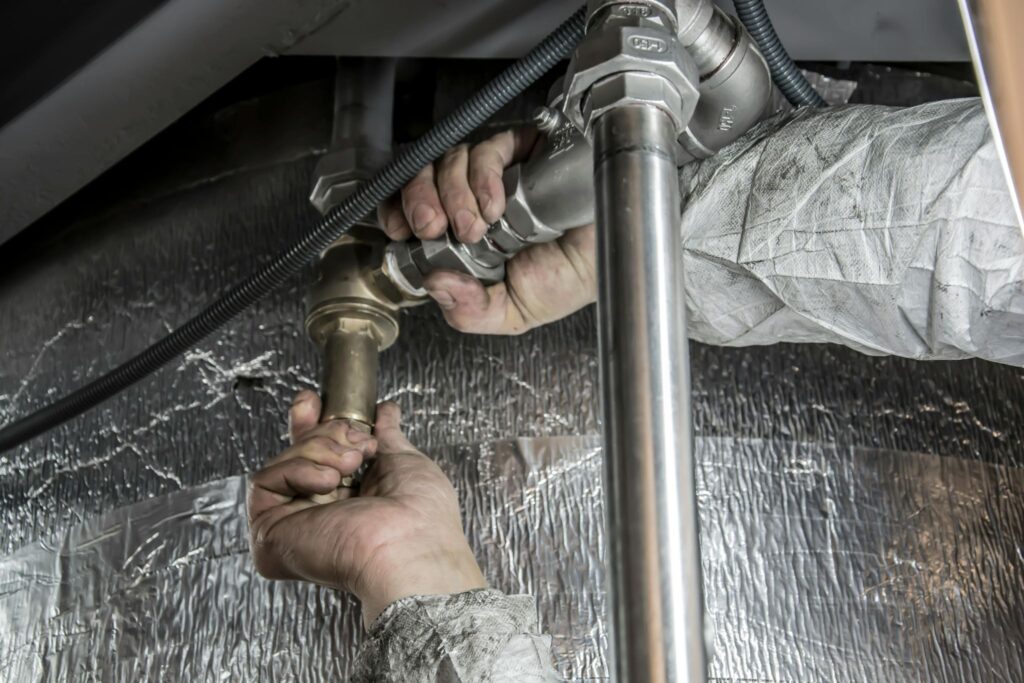
Imagine moving into a new apartment only to find that the toilets do not flush or perhaps the roof starts leaking the very first time it rains. As a landlord, one of your biggest jobs is to provide a home that is fit for a human being to live in. This is not just a nice thing to do; it is a legal requirement. You are responsible for the main structure of the building and the common areas.
The Big Repairs versus Small Fixes
The law generally dictates that the landlord must handle the major repairs. These include things like fixing the roof, the outside walls, and the main water pipes. If the electrical wiring becomes dangerous because it is old, it’s the landlord’s responsibility to fix it.
Tenants are usually responsible for the minor things that happen during daily life. For example, if a tenant breaks a window while playing with their children, they should pay for that repair.
A great way to avoid arguments is to do a condition report before the tenant moves in. You and the tenant can walk through the house together and take photos of everything. This proves that the house was in good shape when they arrived. Regular maintenance is also a key part of a landlord’s responsibilities.
A property management professional can help you stay on top of the regular maintenance and also carry out preventive maintenance. If you fix small problems quickly, they will not turn into expensive disasters later on.
The Golden Rule of Privacy: Quiet Enjoyment
There is a very special legal term in Kenya called “quiet enjoyment.” This does not mean that the tenant has to be silent and never make any noise. Instead, it means that the tenant has the right to live in the house without the landlord bothering them. Once you hand over the keys and accept the rent, that house is the tenant’s private space.
You cannot just walk into the house whenever you feel like checking on things. Even though you own the building, you must respect the tenant’s privacy at all times. If you need to enter the house for repairs or an inspection, you must give notice.
In most cases, the law suggests giving at least twenty-four hours notice. You should also pick a time that is convenient for the tenant, such as during the day. Respecting these boundaries is a major part of your landlord’s legal obligations in Kenya. The law continues to say that the landlord will provide an environment free from noise pollution.
Financial Responsibilities: Taxes and Deposits

Money is often the reason why landlords and tenants get into arguments. To stay on the right side of the law, you must be very organized with your finances. In Kenya, most landlords ask for a security deposit before the tenant moves in. This is usually an amount equal to one or two months of rent.
The Truth About Deposits
It is important to remember that the security deposit still belongs to the tenant. You are simply holding it for them as a safety net. You can only keep the deposit if the tenant leaves without paying rent or if they caused damage to the house.
Remember, you cannot keep the money just because the house needs a fresh coat of paint after a few years. Normal “wear and tear” is expected and should not be deducted from the deposit. When the tenant moves out, you should return the money as quickly as possible. Being transparent about money builds trust and keeps you out of the Rent Restriction Tribunal.
Paying Your Dues to the Government
As a landlord in 2026, you are also a taxpayer in the eyes of the Kenya Revenue Authority. The government requires you to pay a tax on the rent you collect every month. This is often called Residential Rental Income Tax. For many years, the rate has been quite fair to encourage people to invest in housing. The residential rental income tax in Kenya stands at 7.5% of the gross rent collected.
You must keep very good records of every shilling that comes in and every shilling you spend on repairs. Filing your taxes on time is one of the most important responsibilities of landlords in Kenya. If you ignore this, the KRA might come back later with very heavy fines. Many smart landlords use digital apps to track their rent and pay their taxes automatically. This makes the whole process very simple and ensures that you are always compliant with the law.
The Legal Way to Evict
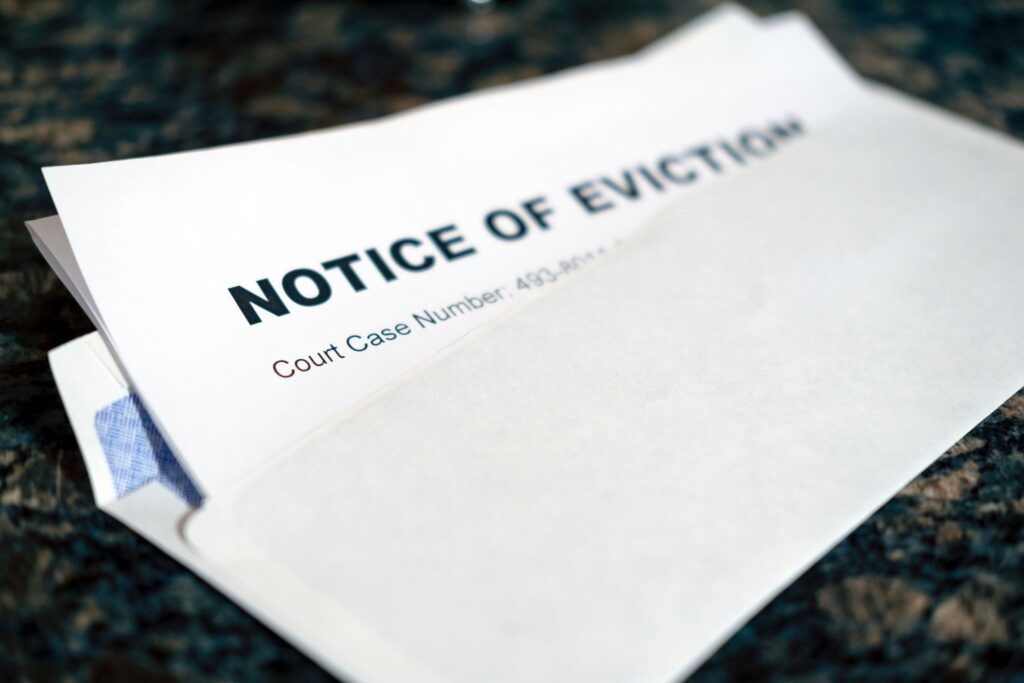
Sometimes, a relationship between a landlord and a tenant simply does not work out. Perhaps the tenant has stopped paying rent for several months. Or maybe you need the house back so that a family member can live there. Whatever the reason, you must follow a very specific legal process to end the tenancy.
Never Use “Self-Help” Methods
In the past, some landlords in Kenya would remove the roof or lock the gates to force a tenant out. This is strictly illegal and can get you into a lot of trouble with the law. You are not allowed to cut off the water or electricity to frustrate a tenant.
The correct way is to give a formal “Notice to Vacate” in writing. The length of the notice usually depends on how often the tenant pays rent. If they pay monthly, you should generally give them at least one month’s notice. If the tenant refuses to leave after the notice expires, you must go to court. The Environment and Land Court is the place that handles these issues. Only a licensed court bailiff or an auctioneer can legally remove someone’s belongings. In Kenya, following the landlord-tenant laws during an eviction is the only way to protect yourself from lawsuits.
Sectional Properties and New Laws
In 2026, there are changes in how to manage property in Kenya. One of the biggest shifts is the focus on the Sectional Properties Act. This law allows people to own individual units in an apartment block with their own titles. If you own an apartment, you are now part of a Management Corporation.
This means you are responsible for paying a service charge for the cleaning and security of the building. You also have a say in how the common areas are managed. As a landlord, you must explain these rules to your tenants so they know how to behave in the shared spaces. Staying updated on these new laws is a key part of being a successful investor in the modern Kenyan market.
Why Professional Help Makes a Difference
After reading all these rules, you might feel a bit overwhelmed. Managing a property according to the law takes a lot of time and knowledge. This is why many landlords in Kenya are now hiring professional property management companies.
A professional manager knows every single detail of landlord responsibilities in Kenya. They can handle the tough conversations about late rent or repairs for you. They ensure that your tenancy agreements are perfect and that your taxes are paid on time. For many owners, the peace of mind is worth much more than the small fee they pay for the service. It allows you to enjoy your life while your investment grows safely in the background.
Building a Better Future Together
At the end of the day, a good landlord-tenant relationship is built on mutual respect. When you follow your landlord’s legal obligations, you create a safe and happy home for someone else. This leads to tenants staying longer, which means more consistent money for you. It also helps our country by improving the quality of housing for everyone.
Whether you are just buying your first plot or you already own many units, the law is there to guide you. By being fair, honest, and organized, you will become a highly respected member of the Kenyan real estate community. Your property is more than just bricks and mortar; it is a vital part of our growing nation.
Do you want to make sure your property is always following the law?
Managing rental property in Kenya can be very complicated if you try to do it all alone. Our expert team is ready to take the stress off your shoulders and protect your investment. We handle everything from legal agreements to 24/7 maintenance and tax compliance for you. Please feel free to Contact Us today to see how we can help you succeed.
